
APPG on Microplastics – Call for Evidence
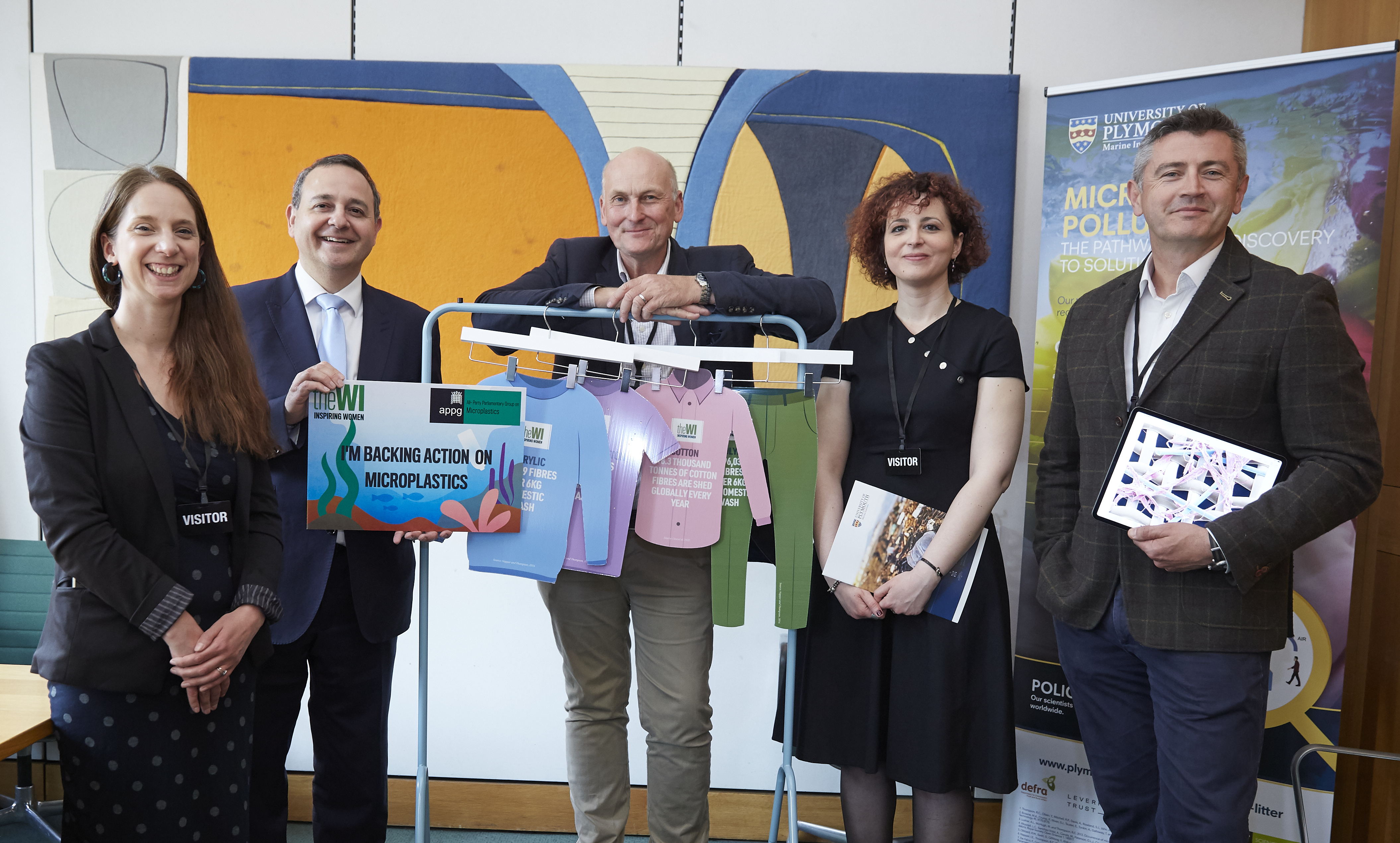
Microplastic pollution is an urgent and growing challenge for the UK and globally. Every day, new evidence emerges about the implications on human health, the environment, and the economy. In 2021, the All-Party Parliamentary Group (APPG) on Microplastic published its first report, Microplastic Policies For The Government, which set out a range of policy recommendations, including appointing a Minister for Plastics, introducing an Extended Producer Responsibility scheme for textiles and requiring microplastic filters in all new washing machines. In response, the government included an expectation for industry to develop microplastic filter technology for washing machines in the 2023 Plan for Water for England.
Five years on, research has advanced, public concern is rising, and there is a clear need for updated, evidence-based recommendations to inform government policy.
The APPG on Microplastics, in collaboration with the Global Plastics Policy Centre (University of Portsmouth) is launching a new inquiry to gather insights from stakeholders across academia, industry, civil society, and advocacy groups. The findings will shape a report to be published in Spring 2026, setting out the latest evidence and practical solutions to tackle microplastic pollution.
The APPG is interested in receiving ideas or proposals to stop microplastic pollution and minimise the associated risk to health, nature and economy. Written submissions are particularly welcomed on the following points:
Updated insights into the evidence of harm and exposure (economic, environmental, and health) associated with microplastic pollution, including:
- The scale and proportions of key sources of microplastics pollution
- Risks to human health
- Economic, agricultural and food security impacts
- Risks to nature and wildlife
- Existing gaps in science and monitoring of microplastics pollution
Ideas for UK legislation or policy to effectively tackle microplastic pollution, including:
- Monitoring and enforcement mechanisms
- Systemic approaches to microplastic reduction
- Views on the most cost-effective/impactful points of intervention
- Ideas on how Circular economy interventions and Extended Producer Responsibility could be used to tackle microplastic pollution
- Views on policy to influence consumer behaviour
- Evidence or suggestions on targets and timelines associated with limits on microplastics to help shape proposals for future national goals.
How to submit evidence
Evidence can be submitted via our online form.
Evidence should address points set out abvoe, but does not need to address every point or question. Please keep submissions brief and feel free to include links to sources and further evidence.
We may wish to contact you for further information or clarifications, so please include contact details.
Deadline for submissions: 15 February 2026
For questions, contact: t.arno@nfwi.org.uk